We sat in the closed room, each in our own space that at times coincided with the space of others, and we cried and we laughed and we took deep breaths.
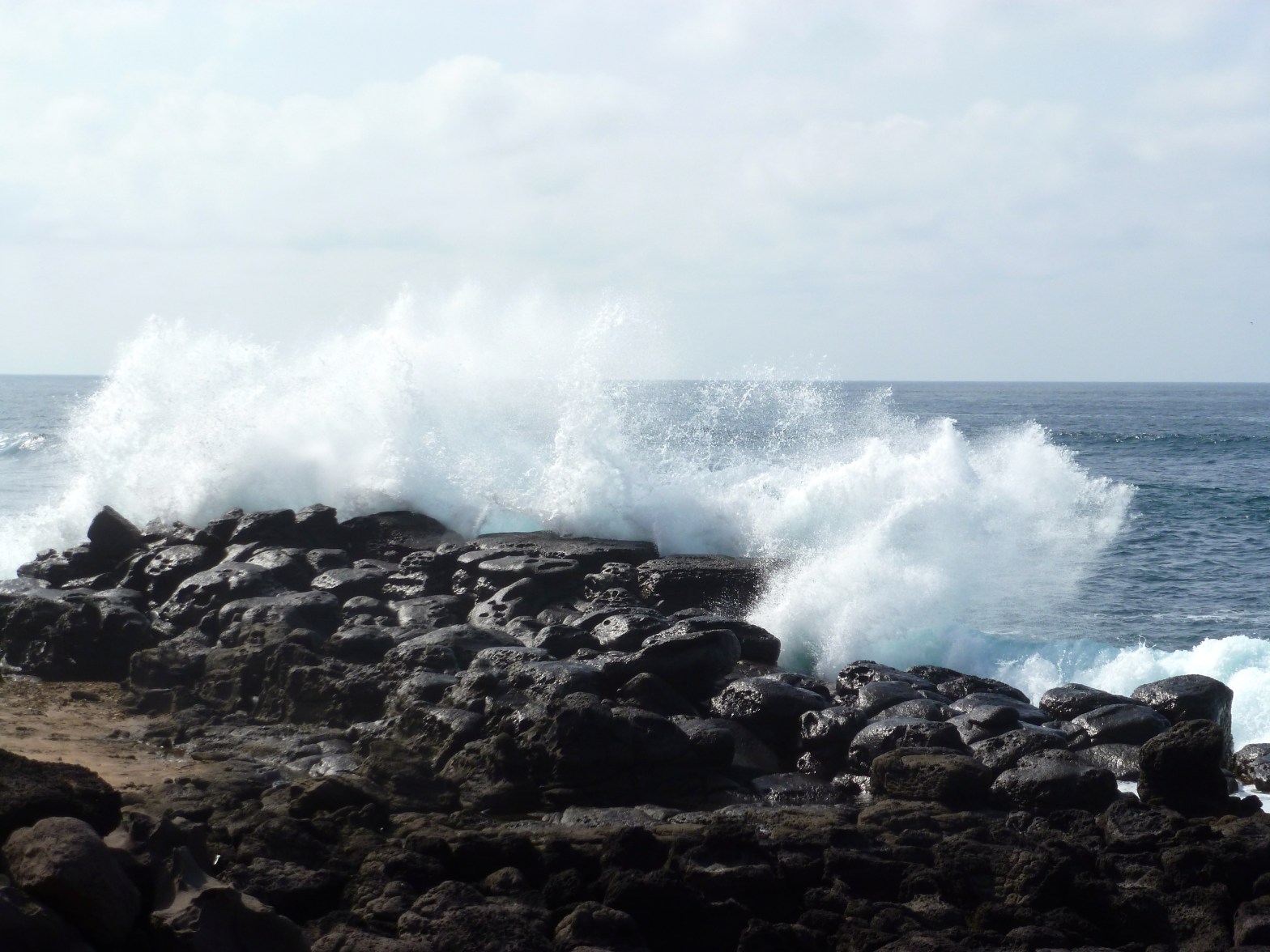
We sat on the rock, bracing ourselves individually and as one clump as the waves crashed down upon us, and we cried and we laughed and we took deep breaths.
Last Friday morning our Kalamazoo College group of 12 was scheduled to have a session entitled “HIV/AIDS: Come Home Healthy” led by the staff of ACI/Baobab Center’s public health department. The group assumed this would be a practical lesson/reminder on they ways one can contract HIV/AIDS and how to ensure safety while in Senegal; while important, we didn’t expect the session to be the intense experience that we ended up having.
Last Sunday morning four friends and I decided to go to l’île de Ngor for a beach day. I expected relaxation and warm sunshine and an easy day; I didn’t expect for it to be such a needed, wonderful, and significant experience that I will cherish of my time here.
We started Friday morning by discussing how HIV/AIDS touched our lives personally. For some, this caused them to reflect on the distance of the disease from their immediate lives, for others such as myself, this caused us to reflect on those persons in our lives who are living with, dying of, and lost to the disease.
Next we were instructed to make a list:
1. an object that holds great meaning and with which you never want to part
2. a part of your body that you are particularly proud of
3. an activity that brings you great joy and fulfillment
4. a secret you hold which no one or few people know
5. a person who you hold close to you and who is significant in your life
Then we were told to imagine contracting HIV/AIDS and due to the severity of the disease and the severity of its stigma, losing everything on that list.
- losing this object which you hold most dear, either because you must sell it to pay for medical bills, you are forced to part from it when you enter the hospital or if your family forces you to leave the home, etc.
- the disease ravages your body, changing your physical appearance and capabilities and diminishing your pride
- HIV/AIDS weakens your body and stamina, taking away your ability to complete and enjoy what you most loved in the same ways
- your secret, in this case having HIV/AIDS, will be made public and you will no longer have an intimacy which you can determine personally to share with others
- as often is the case with HIV/AIDS, the person you cherish most will either leave your life because of cultural fear and misunderstanding, or will slowly slip away as you leave this earth
Then one by one, both individually and collectively, all twelve Kalamazoo students had a break down. We cried, we laughed, we took deep breaths. We were alone and together in our sadness.
Reflecting on what happened, as the session leader and the staff of our school looked around at the twelve of us both bewildered and concerned, I think it accurate to assume that only a small part of our reaction had anything to do with HIV/AIDS.
The experience took some of us to memories of parents and loved ones fighting through and dying of all those diseases that cause slow and painful grief in all aspects of a person’s life. It took some of us to the possibility of death in the lives of those we know and love. It took some of us to the too-close familiarity of this process, and the way in which the lack of shock by the exercise produces its own sadness.
And I think it took all of us to our exhaustion and feelings of being overwhelmed and stressed and lost after just completing our first month in Senegal, a place which for most of us brings to mind very conflicting feelings of being a stranger and being at home, of being frustrated and being enlivened, of being uncomfortable and comfortable.
And so we sat in the closed room, each in our own space that at times coincided with the space of others, and we cried and we laughed and we took deep breaths.
And we provided comfort, both by physical touch and by simple presence and by the making of paper cranes and sharing pineapple juice, and we were all there through it together. And even though each of us had our private reasons for our tears and even though we didn’t all know each of those reasons, we were collective in our emotion. And we are at a different place now as a group and in our experience because of it.
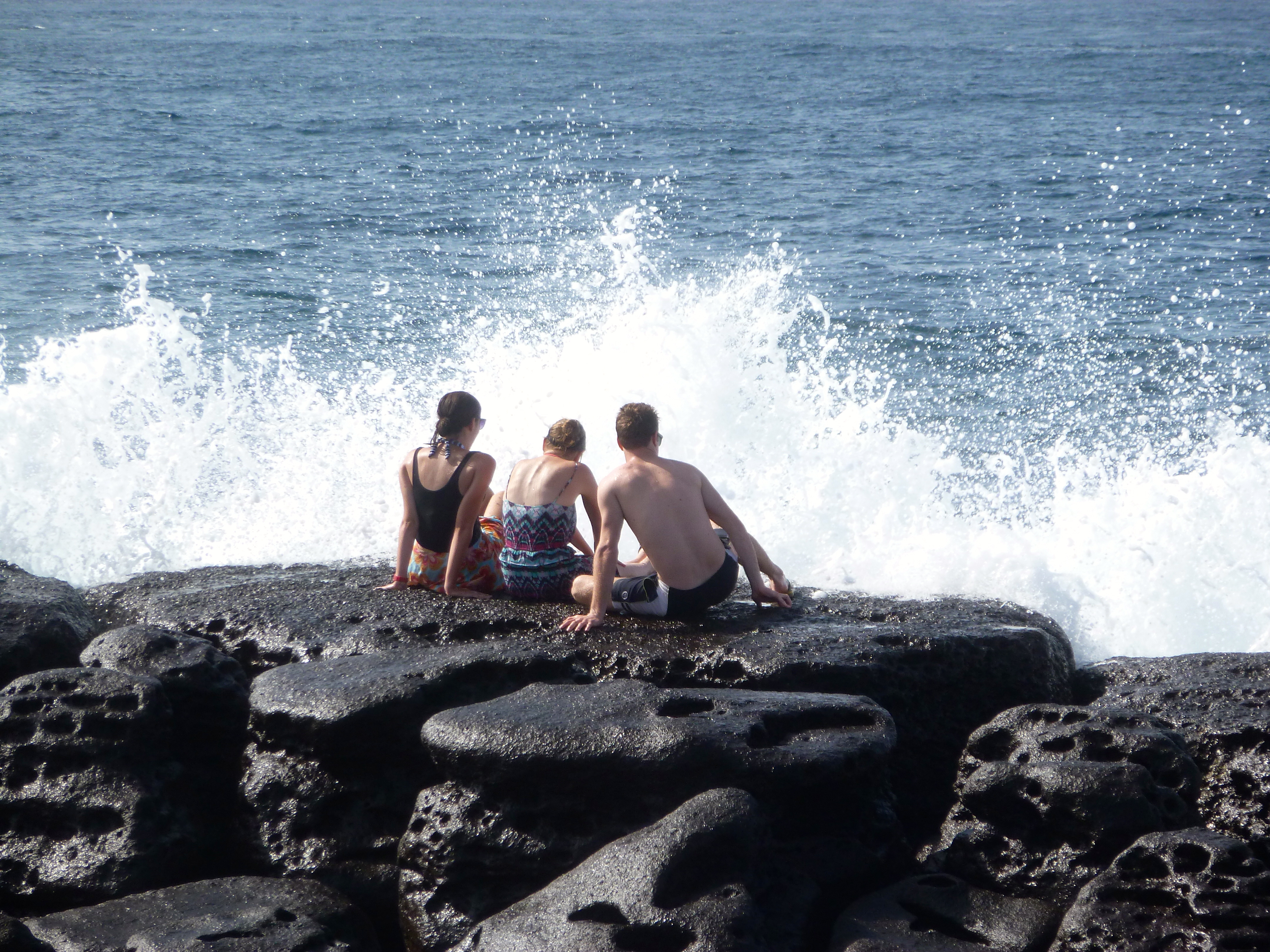
On Sunday morning the five of us squeezed into a small taxi and bumped over roads to reach the Ngor beach on the northern side of the Dakar peninsula. We then wandered over the sand before finding the man you have to find who will get you onto a pirogue, the long, wooden boats which transport 50-75 people at a time to the small, paradise-like island of Ngor. We lay in the sun, we floated in the cool, salty water, we talked and laughed and drank coconut juice. Later in the day when our swimsuits had dried in the sun and our hair was fluffy and curled with the ocean, we wandered to the northern side of the island that is rocky and natural. As we walked along the path and waded through tide pools, we watched as huge waves crashed and sprayed and the steep rocks. We said: “it would be amazing to sit up there and feel those waves.” We said: “that would be crazy.” We said “let’s go.”
And so we climbed up the rocks on our hands and knees and watched the crabs scuttle along beside us and we perched on the top of the biggest rock we could find and we waited for the waves. And when we saw a big one coming we pointed and felt a moment of panic and then there was water pouring down on top of us and we screamed in delight and were drenched and salty and we said: “we needed this.”
And we needed it for reasons individual and collective. And we needed it alone and together. We needed the adventure, we needed to look at the possibility and take it, we needed to feel the rush of fear leaving our bodies as the water pounded down, we needed to feel the delight of being in a place which is only here, we needed the reminder of the intensity of emotions of happiness not just of sadness, we needed to look out onto the ocean and feel the sun and our smiles and say: “in this moment, we are thankful to be in Senegal.”
Our ‘Friday morning’ as we both lovingly and sadly refer to it, will be a significant memory of our six months in Senegal. Our Sunday perched on the top of rocks, with waves crashing down upon us, will be equally as significant in my eyes.
We cried and we laughed and we took deep breaths. And it was good.
 callie daniels-howell